
How to Number an Invoice — Best Practices for Invoice Numbering
Published: November 26, 2025
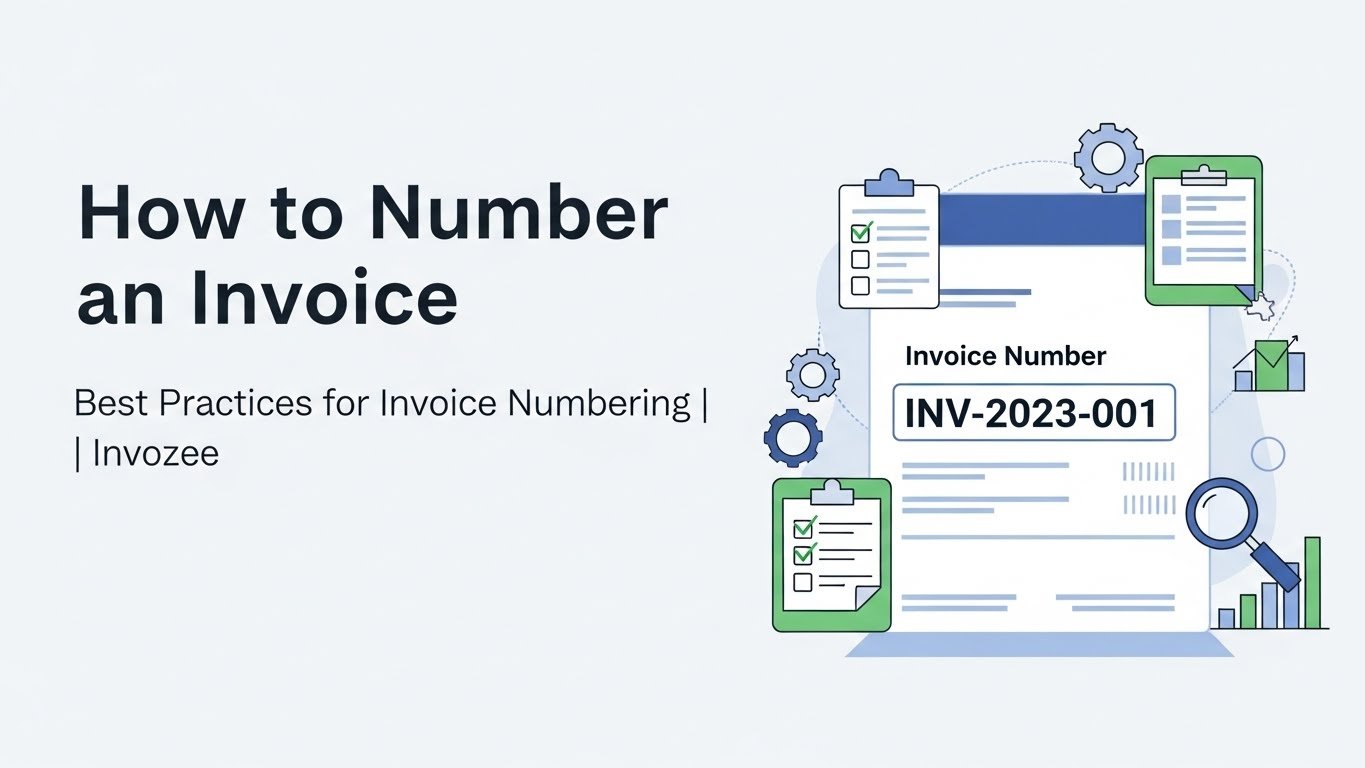
Summary: Learn the best practices for numbering your invoices. Understand why invoice numbering is crucial for your business and how to assign numbers correctly to stay organized and compliant.
Invoice numbering is one of the most important aspects of managing your invoicing system. It not only helps keep your records organized, but also ensures you’re compliant with tax laws and financial regulations. Whether you’re a freelancer, small business owner, or large corporation, using a systematic approach to invoice numbering can improve your financial workflow and avoid confusion.
Why Is Invoice Numbering Important?
Invoice numbering is a crucial part of keeping your finances organized. It ensures that each invoice is unique and can be easily referenced in your accounting systems. Properly numbered invoices also help maintain clarity and prevent duplicate invoices, which can lead to confusion or disputes with customers. Additionally, many tax authorities, including the ATO in Australia, require businesses to use sequential numbering for tax reporting purposes.
How to Number an Invoice
When numbering your invoices, follow these best practices:
- Use Sequential Numbers: Always use a sequential numbering system for your invoices (e.g., 001, 002, 003, etc.). This ensures that no invoice numbers are skipped and maintains a clear order.
- Include the Year or Month: Consider including the year or month in the invoice number for easier identification and organization (e.g., INV-2025-001 or INV-JAN-001).
- Start with a New Numbering System Each Year: Reset your numbering at the start of each new fiscal year to keep things simple and organized.
- Avoid Using Special Characters: Stick to numbers only to avoid confusion or errors in the invoice number.
Best Practices for Invoice Numbering
- Consistency: Be consistent with your numbering format throughout the year to avoid confusion. Choose a format and stick to it.
- Automate the Process: Use invoicing software like Invozee to automatically generate invoice numbers. This helps eliminate human error and saves time.
- Track Your Numbers: Keep a record of all invoice numbers issued, and make sure none are skipped or repeated.
Frequently Asked Questions
What happens if I skip an invoice number? Skipping an invoice number can cause confusion and make it harder to track payments. It’s best to ensure that each invoice is assigned a unique and sequential number.
Can I customize my invoice numbering system? Yes, you can customize your numbering system to suit your business needs. Just ensure it is consistent and follows a logical sequence.
How can I automate invoice numbering? Using invoicing software like Invozee allows you to automate invoice numbering and avoid manual errors.
Start using an efficient invoice numbering system today with Invozee.